Sintering Process of Electrode Paste
Electrode Sintering Stages and Quality Control
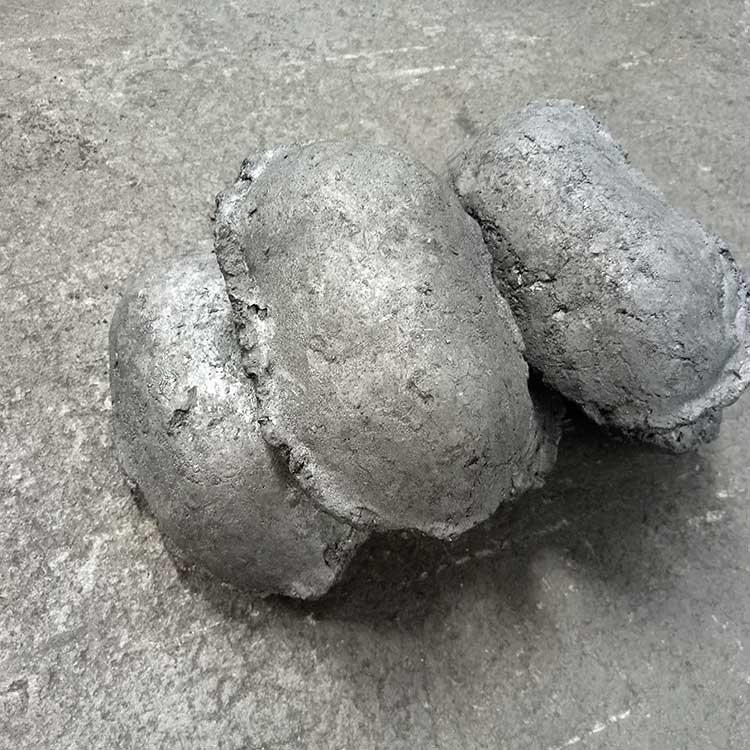
Although the changes during electrode sintering do not have clearly defined boundaries, they can generally be divided into three stages according to the baking temperature and location. This process takes place without any external pressure, relying solely on the weight of the paste itself.
1. Softening stage. At this stage, the solid electrode paste melts, its electrical resistance increases, its strength decreases, and finally the paste becomes entirely liquid. During this stage, the temperature rises from 25°C to 120–200°C, approximately 500 mm above the conductive jaw plate.
2. Volatilization stage. At this stage, the electrode paste is fully melted, flows along the cross-section inside the shell, fills the voids, and becomes uniform in quality. At the same time, it begins to volatilize noticeably and gradually becomes viscous, while its resistance continues to decrease. The volatilization is rapid, and the paste takes on a pasty consistency. During this stage, the temperature rises from 120–200°C to 650–750°C, roughly at the semi-ring section.
3. Sintering stage. At this stage, a small amount of volatiles continues to volatilize, and further sintering begins. The electrical conductivity increases greatly, and the electrode becomes a hard, solid mass. The height at which complete sintering is achieved is 200–400 mm below the conductive jaw plate. During this stage, the temperature rises from 650–750°C to 900–1,000°C.
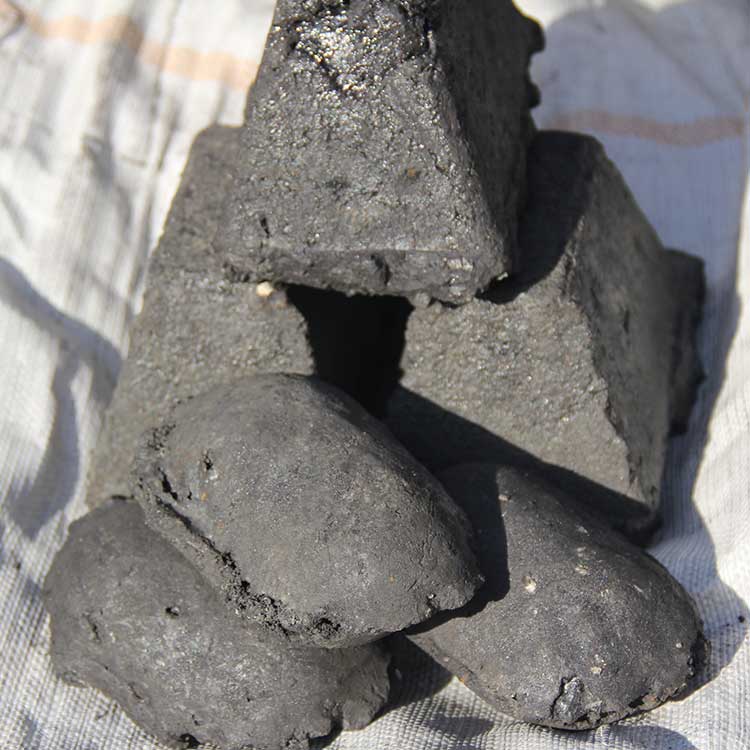
Because the electrode is gradually consumed by surface oxidation, reactions inside the furnace, and arc burning, sintering must be controlled according to its consumption, and the sintered electrode must be lowered into the furnace so that it maintains an appropriate working length and position.
The quality of electrode baking is mainly judged by visual observation. To determine whether electrode sintering is normal, if the surface of the lowered electrode appears grayish-white or dark but not red, the baking is considered good. If it turns red, it is too dry; if it turns black or emits a large amount of smoke, it is too soft.
To maintain a certain electrode length, the balance between the sintering rate and the consumption rate of the electrode paste must be controlled during the sintering process. If sintering is slow and consumption is fast, the electrode working length will be insufficient and it will become too soft. If sintering is fast and consumption is slow, the electrode will be too dry and prone to brittle breakage.
To ensure good electrode sintering quality, the following requirements must be met.
1. Electrode paste that meets the quality standards and size requirements must be kept at a certain height during charging.
2. Electrode fabrication and welding must meet the requirements, and the cooling conditions of the conductive jaw plate and the electrode contact must be good.
3. The number and duration of electric furnace power outages should be minimized as much as possible.
4. Pay attention to electrode sintering quality and adjust the electrode cooling conditions in a timely manner.
PREVIOUS:Development of the Ferroalloy Industry in China and Requirements for Electrode Paste
NEXT:There is no more content!


 Phone:+86 19937179450
 Whatsapp:+86 19937179450
 Email:
 Add:Zhengdong New District,Zhengzhou City,China.