Development of the Ferroalloy Industry in China and Requirements for Electrode Paste
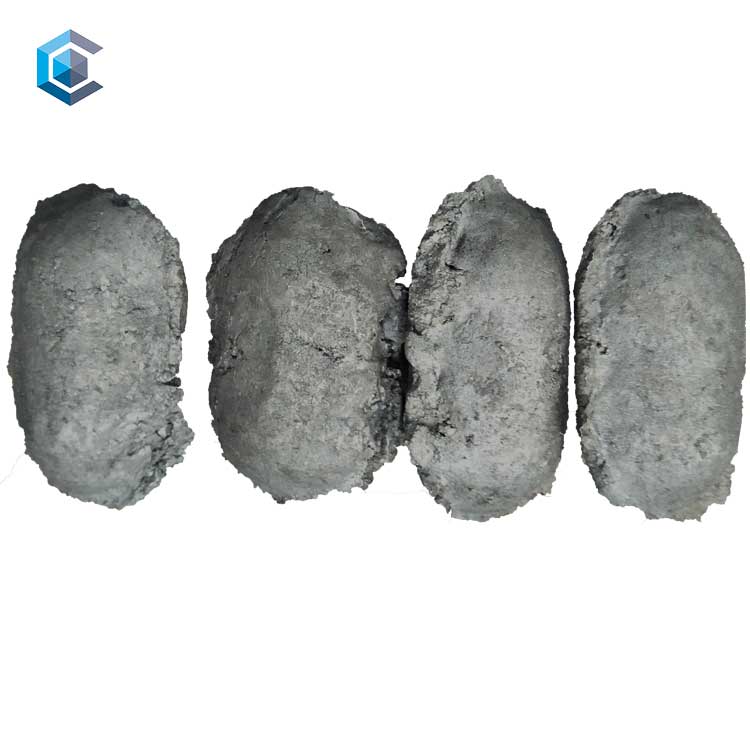
China is the world’s largest producer and exporter of ferroalloys. For the four major product categories, ferrochrome, ferrosilicon, silicomanganese, and ferronickel, submerged arc furnaces (SAFs) serve as the primary production technology, with self-baking electrodes being the most widely used type.
Larger Furnaces Bring Higher Electrode Requirements
The proportion of large-scale, enclosed submerged arc furnaces in China continues to rise. New enclosed furnaces, which were previously 12.5 MVA, have been upgraded to capacities of 25 MVA, 33 MVA, 36 MVA, and higher. This trend toward larger furnaces, seen in the production of silicomanganese, ferrochrome, industrial silicon, calcium carbide, and yellow phosphorus, offers higher thermal efficiency, lower specific energy consumption, and more stable off-gas recovery.
In these large-scale furnaces, electrodes feature larger diameters and longer downward travel distances. The significant temperature differential across the contact shoes, combined with thermal expansion and contraction cycles driven by load fluctuations, makes electrodes prone to "hard breaks" if the electrode paste lacks sufficient strength. Consequently, because enclosed furnaces rely on conductive and resistive heating to bake the electrodes, the requirements for the sintering performance of the electrode paste have become significantly more stringent.
The Technology Lies in Process Control
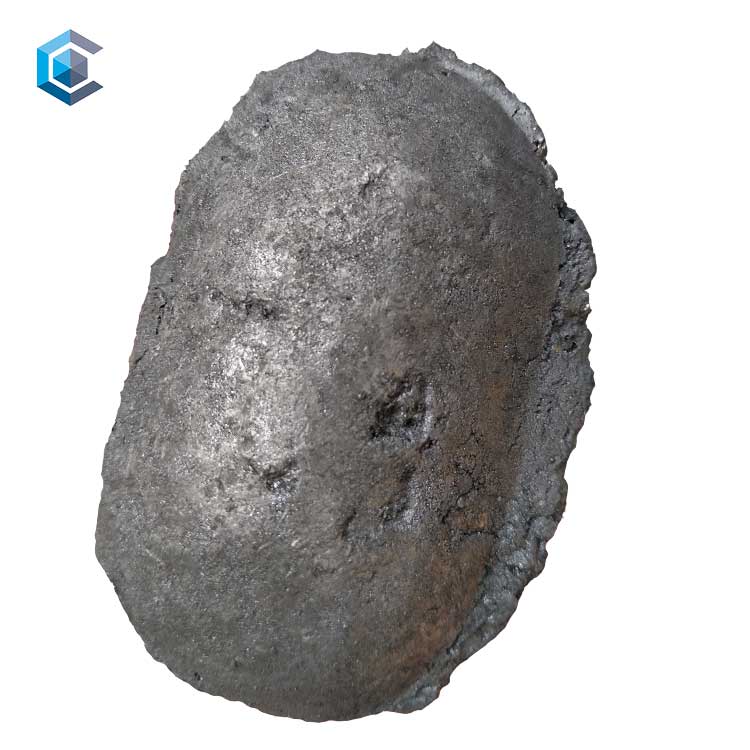
The technological sophistication of the electrode paste industry lies not in keeping the formula secret, but in controlling the variables in the customer’s furnace. The electrode paste is the only component in a self-baking electrode system that is "consumed, baked, and shaped simultaneously." It is both an energy-consuming carrier and a key factor determining operating efficiency.
ECA and CPC Ratio
The ratio of ECA and CPC aggregates is crucial. Based on matching furnace conditions, the appropriate balance ensures good thermal toughness, stable plasticity, and batch consistency.
Proper adjustment of the aggregate system helps prevent electrode accidents such as soft breaks and hard breaks from the raw-material side, while ensuring that the electrode paste remains compatible with the furnace’s operating conditions throughout the self-baking process.
Furnace Conditions → Material Matching → Stable Baking → Electrode Performance
As furnace capacity increases and operating conditions become more demanding, electrode paste must be designed around the specific furnace environment rather than treated as a standardized material. The selection and proportioning of conductive aggregates are therefore critical to achieving stable electrode operation.
Electrode Paste Is a Key Part of Furnace Performance
With the continued development of large-scale and enclosed submerged arc furnaces, electrode paste is facing increasingly demanding requirements for strength, sintering behavior, plasticity, conductivity, and consistency. Matching ECA and CPC with actual furnace conditions is therefore essential for reliable electrode performance and stable production.
PREVIOUS:The Roles of Calcined Petroleum Coke (CPC) and Graphite Scrap in Electrode Paste
NEXT:There is no more content!


 Phone:+86 19937179450
 Whatsapp:+86 19937179450
 Email:
 Add:Zhengdong New District,Zhengzhou City,China.