Soft Breakage vs Hard Breakage of Electrodes: Causes, Solutions, and Ensuring Continuous Operation
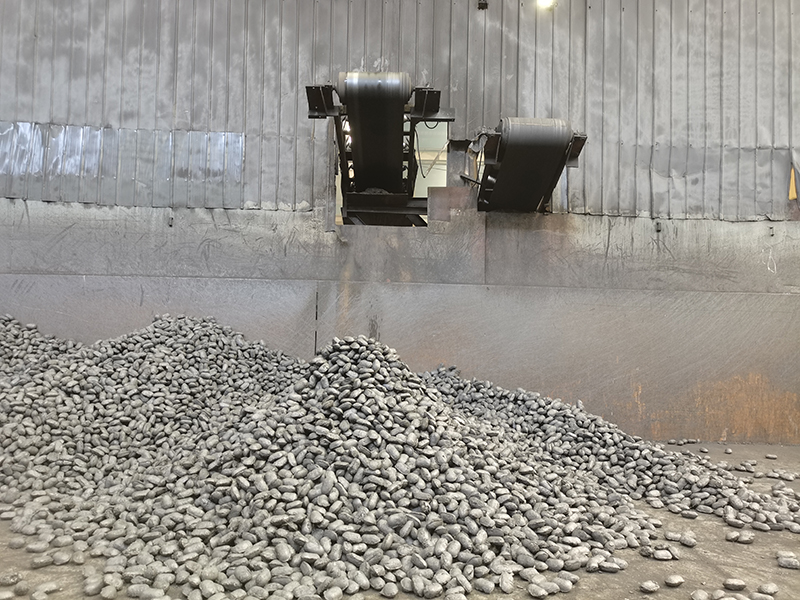
It is believed that many users of electrode paste or professionals in this field often hear such terms as "hard breakage" or "soft breakage" of the electrode. This is also a quality issue that customers pay close attention to when purchasing electrode paste or graphite electrodes. How can we ensure continuous operation? What are hard breakage and soft breakage? Let's explore this issue together!
Soft breakage of the electrode generally refers to the breakage of the part of the electrode that has not been fully sintered (cooked). This usually occurs in the areas where the electrode paste has not been fully cured or sintered.
The reasons for soft breakage usually include:
1. Poor welding of the electrode shell, resulting in a reduction in the conductive area and excessive current density.
2. Failure to timely handle the electrode slurry, resulting in voids.
3. Failure to promptly lift the electrode sliding part or the electrode not being round, resulting in uneven current distribution on the copper plate.
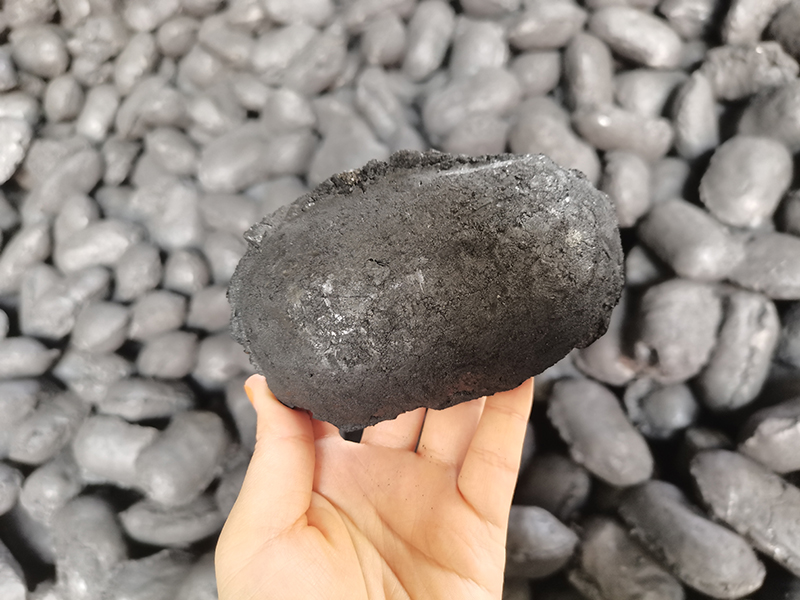
Hard breakage of the electrode generally refers to the breakage of the part of the electrode that has been sintered. It is usually a sudden mechanical breakage.
The reasons for hard breakage usually include:
1. Severe electrode oxidation, resulting in a smaller diameter.
2. The surface of the paste after sintering is too low, and the newly added electrode paste does not bond well with the already sintered part.
3. Dust enters the electrode after the furnace is shut down, causing stratification.
4. The volatile matter of the electrode paste is too low or the mixing is not uniform, affecting the strength.
5. Long power-off time causes thermal stress or oxidation.
Whether it is soft breakage or hard breakage, both require taking targeted measures based on the specific location and cause. Soft breakage is more likely to be repaired by sintering, while hard breakage requires adjusting the operation or structure.


 Phone:+86 19937179450
 Whatsapp:+86 19937179450
 Email:
 Add:Zhengdong New District,Zhengzhou City,China.